BridgeMind Education
Bridging the gap to therapy with resources for clients and tools for clinicians
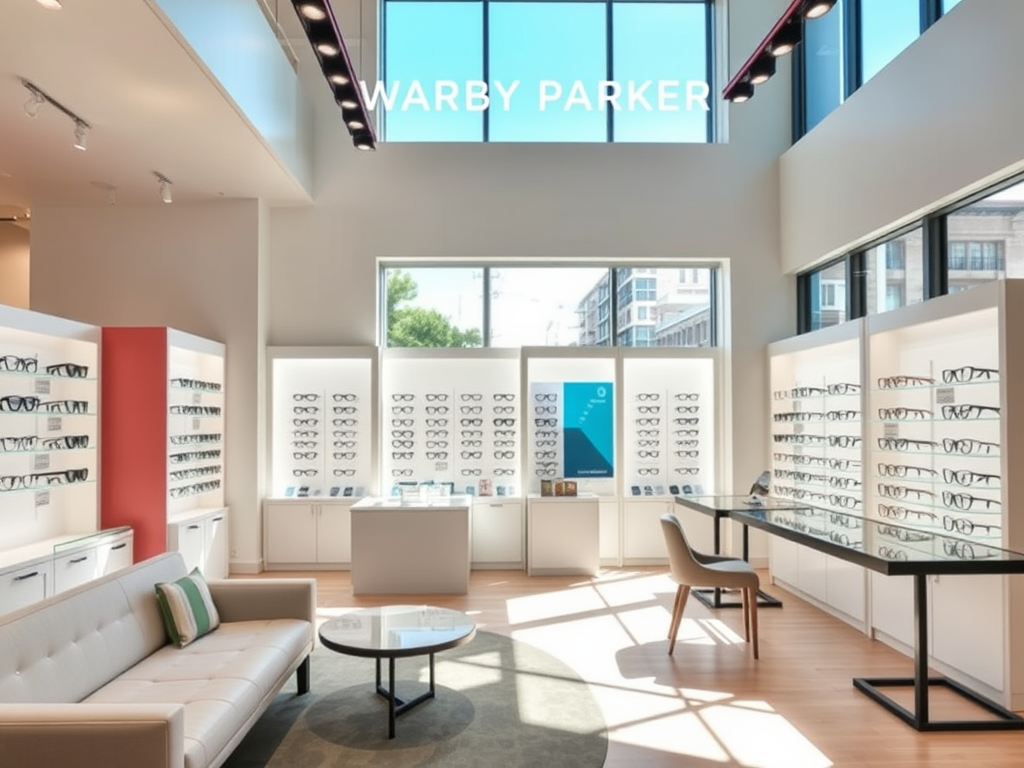
How Warby Parker Revolutionized the Eyewear Industry
By Melissa Chovan
In 2010, Warby Parker entered the eyewear market with a bold idea—sell glasses online. At a time when most people were still visiting physical stores for their eyewear needs, this move was groundbreaking. Warby Parker wasn’t just introducing a new product; they were introducing an entirely new way of thinking about how people buy glasses.
Challenging the Status Quo
From the beginning, Warby Parker’s marketing strategy had one clear objective: challenge the traditional eyewear industry. Rather than just advertising stylish frames or affordable prices, the company focused on shifting consumer mindset. They asked a simple but powerful question: Why does something so basic have to be so expensive and inconvenient? (Mahoney & Tang, 2017).
Rethinking Communication: The Transactional Approach
A big part of Warby Parker’s success came from how they communicated. They used a transactional communication style—clear, direct, and centered on the customer. This approach helped them build trust while highlighting the pain points in the existing market, like high costs and limited access for people living in rural areas (Mahoney & Tang, 2017).
Creating Dissonance to Spark Curiosity
To make people reconsider their purchasing habits, Warby Parker created just enough dissonance. They got consumers thinking: Why am I paying so much for glasses? They leaned into this discomfort and used social media not just for promotion, but as a platform to guide people through this new way of buying eyewear.
The “Home Try-On” Campaign: A Game-Changer
One of their most iconic moves was the launch of the Home Try-On Program. Consumers could select five frames to try at home—for free. It removed the fear of buying glasses online and made the process feel personal, stylish, and smart. Warby Parker shared customer stories and emphasized their social mission, making the whole experience feel more human (Mahoney & Tang, 2017).
Building Community Through Interaction
Warby Parker didn’t stop at selling. They built a community. Through consistent engagement on social media—liking, commenting, reposting—they made customers feel heard. They also encouraged people to share photos of themselves in their frames, creating a fun, fashion-forward movement. This taps into Social Learning Theory, where people learn from seeing others model behavior (Mahoney & Tang, 2017).
Authenticity at the Core
Unlike traditional retailers, Warby Parker’s authenticity came from doing things differently. At launch, you could only buy their glasses online. That uniqueness set them apart and became a key part of their brand identity.
Innovation in Action: A Case Study in Diffusion
Warby Parker is a textbook example of the Diffusion of Innovations Theory in action. They:
- Created awareness through smart social media use
- Generated interest with sleek designs and pricing
- Enabled trial and evaluation through the Home Try-On Program
- Led to widespread adoption as consumers embraced this new way of shopping
Warby Parker didn’t just enter the market—they transformed it. Through innovative marketing, authentic brand positioning, and savvy use of communication theory, they reshaped how people think about eyewear (Mahoney & Tang, 2017).
Reference
Mahoney, L. M., & Tang, T. (2017). Strategic social media: From marketing to social change. Wiley.